Nobody really thinks about paperwork while packing medicines for family overseas. Most people are focused on completely different things.
- Will the medicines reach on time?
- Will the parcel be handled carefully?
- Did enough strips get packed inside?
The paperwork usually becomes important only after the courier company starts asking for it. That is when people realize medicine shipments are treated very differently from regular parcels.
A person may simply be trying to send familiar medicines to parents living abroad. Someone else might be helping a son or daughter studying overseas who cannot easily find the same prescription locally. Sometimes the medicines are ordinary enough that the sender never even imagines customs could care about them at all.
But customs does care. Not because somebody is doing something wrong.
Medicines fall into categories that most countries monitor more carefully during imports. Once healthcare products start crossing borders, officials usually want proper clarity about what exactly is being shipped and why. That sounds reasonable when explained calmly.
It feels much less calm when a parcel suddenly stops moving because one document is missing somewhere.
And honestly, that is usually how people learn how important paperwork becomes during international medicine shipping.
The Parcel May Look Personal To You
But customs systems do not see it that way immediately. That is where most confusion begins.
Someone sending medicines to a family member is usually thinking emotionally. Maybe a parent depends on those tablets every month. Maybe a relative feels more comfortable using the same brand they have trusted for years. Maybe somebody abroad cannot easily schedule a doctor’s visit quickly enough and needs medicines sooner.
From the sender’s side, the shipment feels human and urgent. From customs, it still looks like regulated healthcare products entering another country.
So before officials approve clearance, they often want documents explaining what the medicines are, who needs them, and whether the shipment qualifies as personal use.
Without that information, the parcel sometimes pauses inside the system longer than expected. People usually assume delays happen because flights are slow or parcels get misplaced. Very often, customs is simply waiting for clearer paperwork.
Prescriptions Become Important Faster Than Expected
The prescription is normally the first document people hear about while arranging an international medicine shipment. That surprises first-time senders regularly.
Somebody shipping regular blood-pressure tablets or diabetes medicines may not think a prescription matters anymore because the medicines were already purchased legally. International shipping works differently.
The prescription helps explain why those medicines are being shipped in the first place. It connects the parcel to an actual patient and medical need.
Usually, prescriptions include:
- The patient’s name
- Medicine details
- Dosage instructions
- Doctor information
That may sound basic, but those details become important during customs review because officials are trying to understand whether the shipment fits within personal medical-use guidelines. Without the prescription, the parcel can start looking unclear very quickly.
Customers sometimes assume this level of checking happens only for strong medicines or restricted drugs. That assumption creates unnecessary problems because different countries apply different rules.
Some medicines that feel completely ordinary in one place may still require supporting prescriptions elsewhere. People often discover that only after the shipment is already moving internationally.
Pharmacy Bills Quietly Solve A Lot Of Problems
Many customers carefully arrange prescriptions and completely ignore the invoice from the pharmacy. Then customs asks where the medicines came from. That small invoice suddenly becomes useful.
A pharmacy bill helps verify that the medicines were purchased properly through a legitimate source. It also helps customs officers compare the paperwork with the parcel contents during inspection.
Usually, the invoice contains:
- Medicine names
- Purchase quantity
- Date of purchase
- Pharmacy information
Nothing complicated. Still, those small details reduce confusion during verification.
People underestimate invoices because once medicines are bought, the bill usually gets folded into a drawer somewhere and forgotten. During international shipping, though, it becomes part of the supporting paperwork that customs may review. And honestly, organized paperwork makes a visible difference during medicine shipments.
Parcels with clear documentation generally move more smoothly compared to shipments that force customs officers to keep asking additional questions.
Loose Medicines Create Suspicion Very Quickly
This happens more often than people admit. Somebody removes medicines from their original boxes to save space while packing the parcel. Sometimes strips are mixed together inside plastic covers because it feels easier.
Then customs opens the shipment. Now the medicines are harder to identify immediately.
Original packaging matters more than customers realize because labels help customs officers confirm what the medicines actually are. Expiry dates, dosage details, manufacturer information, and product names all become easier to verify when packaging stays intact.
Without those labels, even ordinary medicines can attract more attention during inspection. People occasionally think customs officers will simply trust the written declaration completely. Realistically, visible packaging information speeds up verification much faster than handwritten explanations ever can.
Keeping medicines inside the original packaging may feel unnecessary while packing the parcel at home. It usually feels much more important later if customs starts asking questions.
The Customs Form Looks Small
But it causes huge problems sometimes. Most customers rush through customs declarations because the form seems repetitive and unimportant. That is a mistake during medicine shipments.
The declaration is often the first thing customs officers read before physically checking the parcel itself. If the wording feels vague or unclear, the shipment may move into additional review even when the medicines are perfectly acceptable.
People sometimes write descriptions like:
- “Medical items”
- “Healthcare products”
- “Tablets”
That information may not explain enough, depending on the destination country's requirements.
Customs officers reviewing the parcel usually rely heavily on whatever is written there because they may never directly speak with the sender during the process.
So even a small customs form suddenly carries much more importance than people expect. And unfortunately, many customers only realize this after delays have already begun.
Quantity Changes How The Parcel Looks
A small medicine shipment usually attracts less concern compared to a box filled with large quantities. That difference matters during customs review.
Families often send extra medicines because international shipping costs are expensive and nobody wants repeated courier bookings every few weeks. The thinking is practical. Customs systems sometimes interpret larger quantities differently.
If the shipment appears too large compared to the prescription provided, officials may wonder whether the parcel still qualifies under personal-use categories. That does not automatically mean the medicines are prohibited. It simply means the parcel may receive closer attention.
Customers get frustrated because their intention feels harmless. Customs officers are focused more on compliance rules than personal intention during inspection. That mismatch creates confusion constantly during international medicine shipments.
Different Countries Follow Different Logic
This is another thing people discover late. Medicine rules are not universal. A product available easily in one country may face restrictions somewhere else entirely. Some places are strict about pain-management medicines.
Others monitor sleeping tablets more carefully. Certain countries apply tighter rules to hormone medicines or prescription drugs that seem ordinary elsewhere.
Customers often assume that if the medicines were purchased legally at home, shipping them internationally should also be simple. That assumption creates problems more often than people expect.
The parcel may travel perfectly fine until customs officers in the destination country review the shipment according to local import regulations instead of the sender’s expectations.
At that point, solving the issue becomes stressful because the parcel is already sitting inside customs review systems.
That is why checking country-specific restrictions before dispatch matters so much, even for medicines people personally consider routine.
Delays Usually Begin Quietly
Most customers imagine customs delays dramatically. They picture officials stopping parcels immediately or rejecting shipments aggressively. Real delays are usually quieter than that.
- The tracking simply stops updating for a while.
- The parcel sits in review longer than expected.
- Somebody requests another document later.
That slow uncertainty frustrates people more than obvious rejection sometimes, because customers are never completely sure what exactly is happening behind the scenes.
Meanwhile, customs officers may simply be waiting for one missing prescription copy or clearer invoice details before continuing clearance.
The parcel itself may already be physically close to delivery. The paperwork is what remains incomplete.
And honestly, this is why experienced international senders spend far more time checking documents before dispatch than first-time customers usually do. They already understand how small paperwork gaps create bigger problems later.
Unique Express Supports International Medicine Shipments
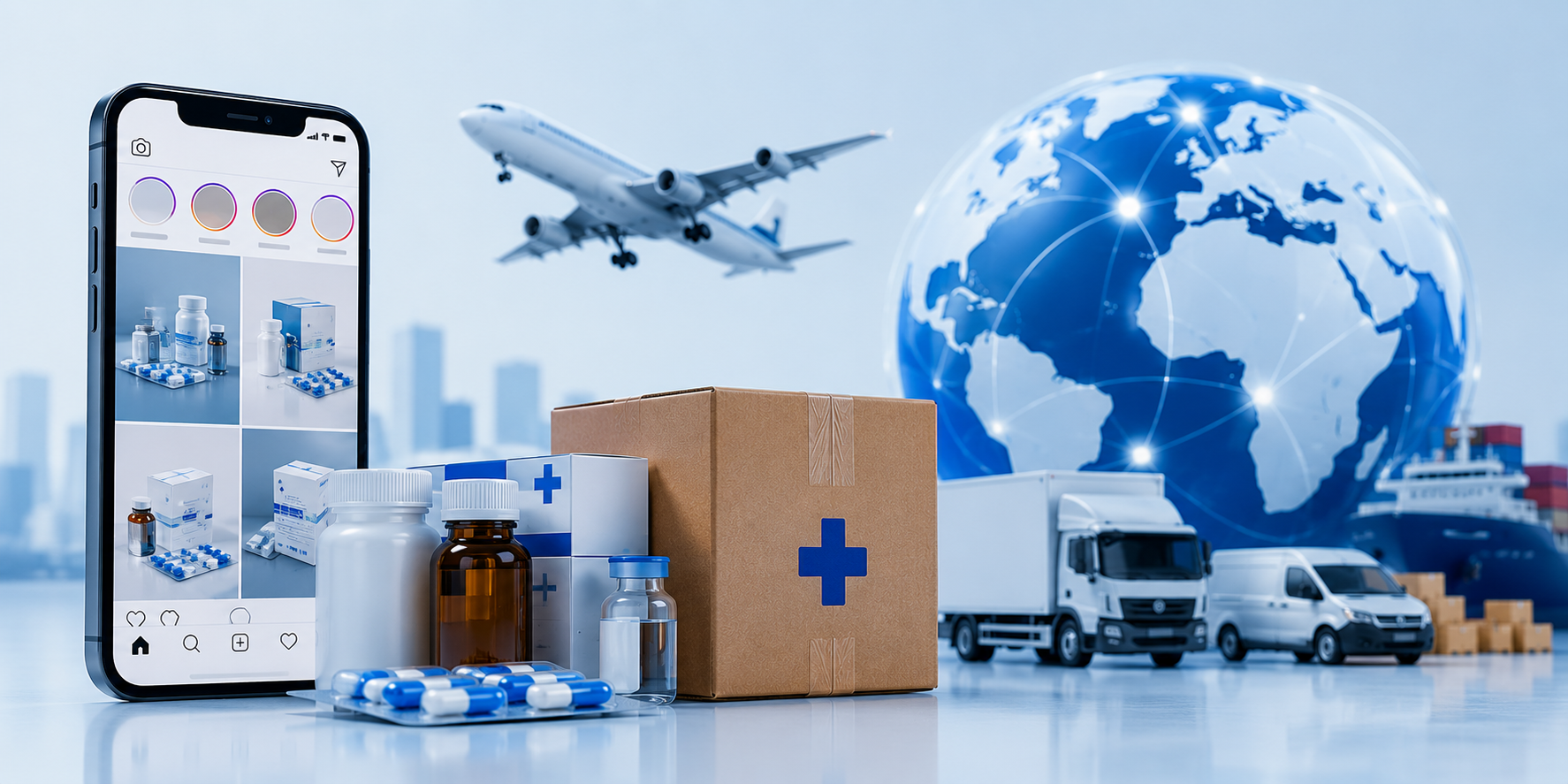
International medicine shipping requires more than basic parcel booking. Clear paperwork, organized packaging, and proper shipment coordination all become important once healthcare products move internationally.
Unique Express supports medicine courier handling with structured logistics guidance, documentation support, and organized shipment coordination across global delivery routes.
Whether customers are sending prescription medicines, healthcare products, or family medical parcels abroad, careful shipment preparation helps reduce customs confusion while improving delivery clarity during international transit.
As international medicine deliveries continue increasing, proper documentation remains one of the biggest factors affecting smooth shipment processing abroad.
In A Nutshell
People usually focus on the medicines first while packing the parcel. Customs focuses on the paperwork first.
That difference explains why prescriptions, invoices, declarations, packaging details, and quantity verification matter so much during international medicine shipping.
Without those documents, customs officers are left trying to understand a healthcare shipment with incomplete information. That uncertainty slows everything down very quickly. Most customers only fully understand this after facing one stressful shipment delay personally.
Because once medicines are urgently needed abroad and the parcel stops moving over missing paperwork, the entire experience feels very different afterward.
And honestly, that is usually the moment people become extremely careful about documentation every single time they send medicines internationally again.
FAQs
1. What documents are generally needed for sending medicines abroad?
Medicine shipments commonly require prescriptions, pharmacy invoices, customs declaration forms, identification proof, and properly labelled packaging, depending on destination-country regulations.
2. Why is a prescription important during international medicine shipping?
The prescription helps customs officers confirm the medicines are intended for personal medical use and supports shipment verification during customs clearance procedures.
3. Are pharmacy invoices necessary for medicine courier shipments?
Yes, pharmacy bills help customs authorities verify medicine details, purchase quantity, pharmacy source information, and shipment authenticity during inspection.
4. Can medicines be sent without original packaging?
Keeping medicines inside the original packaging is strongly recommended because labels help customs officers identify medicine names, expiry dates, dosage details, and manufacturer information properly.
5. Why do medicine shipments get delayed during customs clearance?
Most delays happen because of missing prescriptions, unclear declarations, invoice mismatches, quantity concerns, restricted medicines, or incomplete paperwork during verification.
%20(2)_xDNJyED.png)










_iJNZQZG.png)
_PIgMmHF.png)