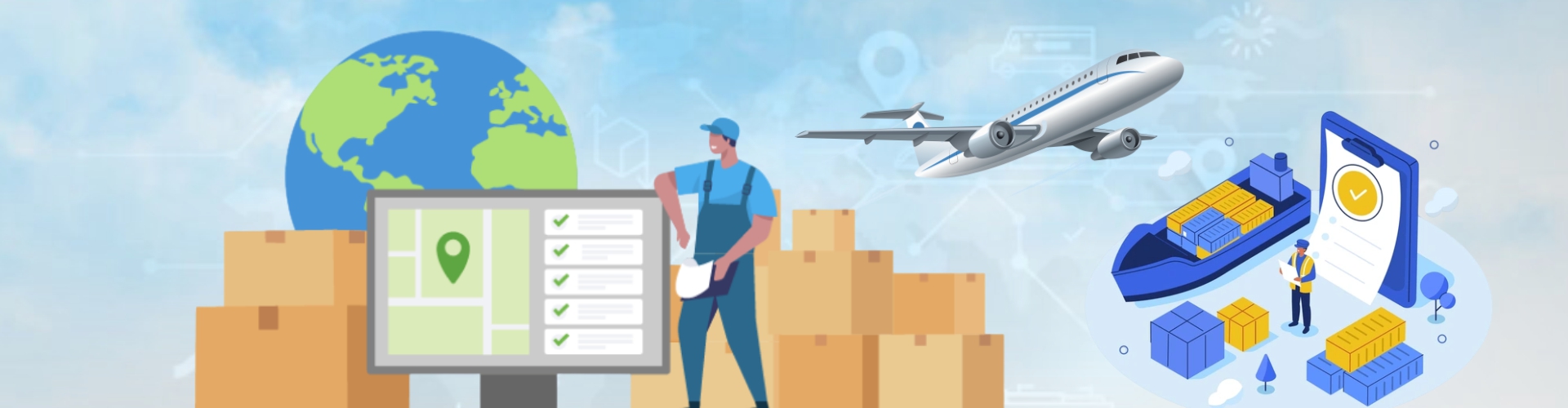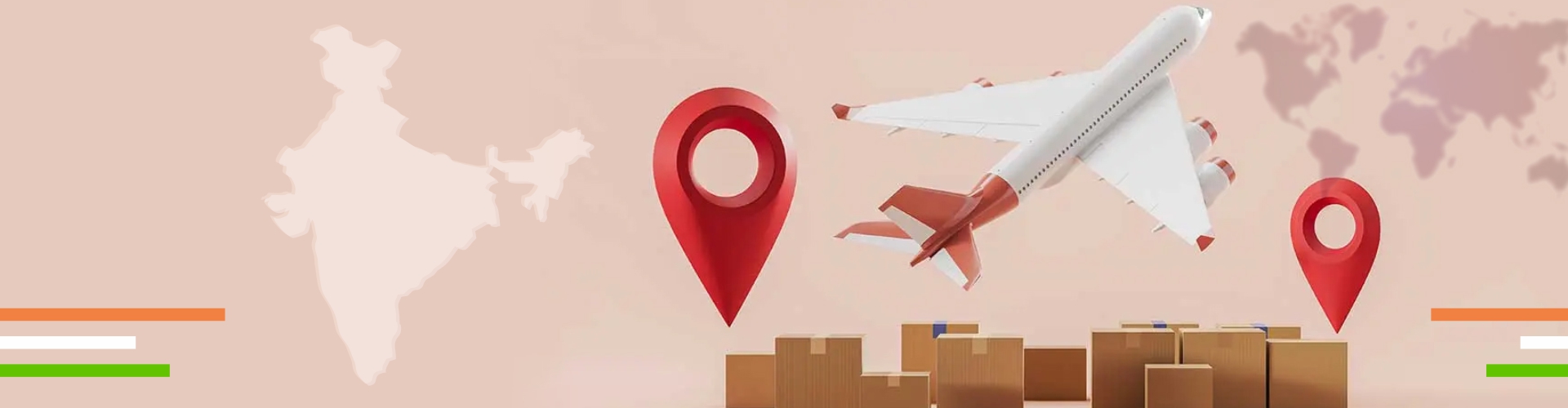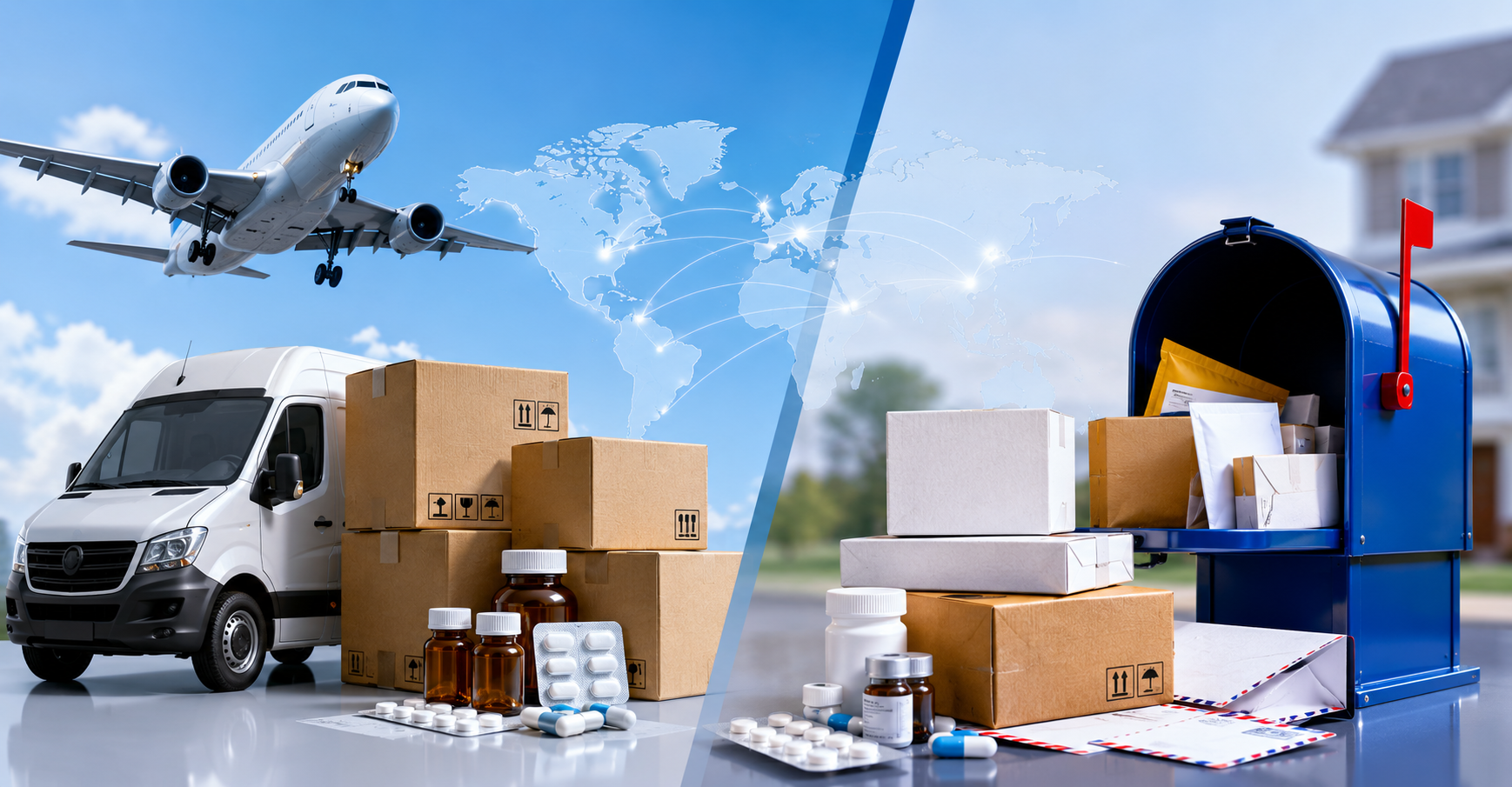
Sending medicines across the world feels a lot different than sending regular parcels. No one is sending medicines just for fun.
The vast majority of medicine deliveries overseas are tied to a family member's health, ongoing treatment, urgency, or simply to an overseas relative they feel responsible for. This alone naturally adds more stress and worry to the shipping process than, for example, sending a gift to a friend.
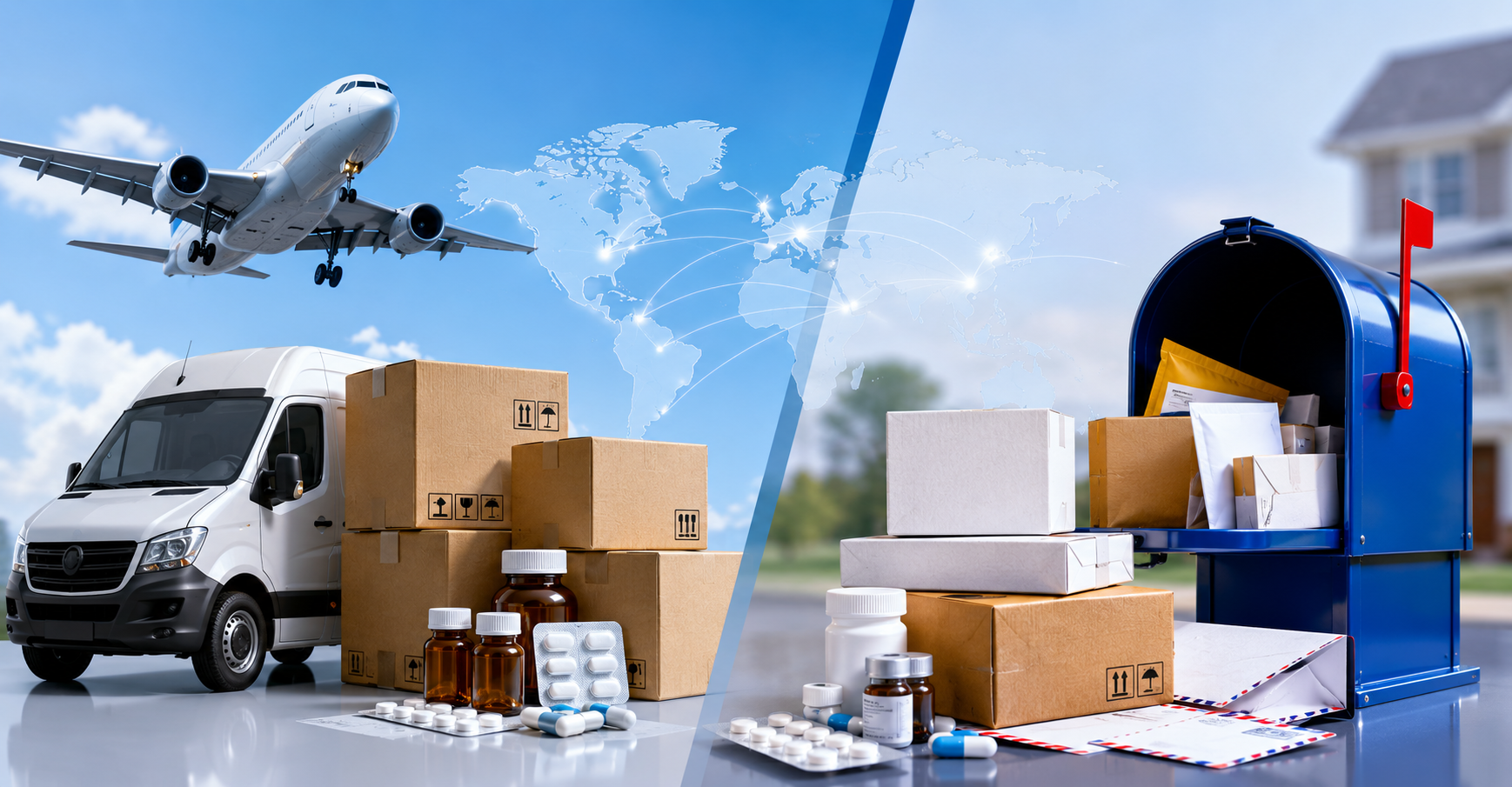
And to be honest, in most cases, the confusion starts immediately when trying to choose between a postal and a courier service for medicine delivery.
Both postal and courier services obviously carry packages between countries and might initially look the same in that aspect, but during the actual process of shipping medicines, there's a huge difference between the two.
- Tracking gets a different quality.
- Delivery time can differ.
- Customs can be handled differently.
- Communication support varies between both postal and courier services.
That's the reason why it is important to understand the difference between postal and courier services when shipping medicine overseas. Because medicine shipments carry more responsibility than a standard parcel.
Medicine Shipments are Handled with More Care
International medicine shipping is never a "throw it in a box and ship it" process.
Different countries have different laws regulating medicine imports. Some will allow personal medicines, provided you have the prescription, but others will enforce stricter import regulations depending on the medication itself and the quantity being shipped.
This is why shipment handling becomes critically important.
Courier services provide a more organized approach for medicine shipment because the customs documentation, declarations, and the level of tracking visibility in transit generally require more attention and detail compared to sending regular parcels.
Postal services can still handle medicine delivery for some regions, but they tend to offer much less support during the delivery process itself.
And honestly, anyone shipping medicines abroad always feels better if they know they have a support system during the delivery. It is important to be absolutely sure that the content of the parcel reaches the desired person, as it is prescribed and timely.
Courier Services Usually Offer Better Tracking Visibility
Perhaps the biggest differentiator between courier services and postal services when shipping is the level of tracking visibility that comes with it.
Those who are sending medicines to a loved one are often glued to the tracking information, wanting to be sure that the package is moving according to plan.
Courier services offer much more detailed information regarding shipment progress at each stage of its international journey. Customers can track:
- The pickup itself
- The progression of the shipment across the international hubs
- Customs clearance at the destination country
- The delivery confirmation
Postal services can sometimes offer tracking, but it will often be less detailed,d and the updates may be more delayed depending on the country, method, and post office that handles the shipment.
This can be very important on an emotional level when sending medicine, because of the uncertainty involved. You would always want to know what is happening with the medicine shipped, rather than wait for days without an update.
Delivery Time Often Matters
Medicine shipments are often time sensitive, and the delivery speed of the postal and courier service does matter.
Some people might send medicines due to a requirement that the individual on the other end needs them for treatment, to prevent interruptions. Others may be sending essential items to relatives who are working abroad or studying and are travelling from place to place, and can't carry all necessary medical products with them.
The transit times with couriers are often shorter than with postal services because they use optimized logistics networks and organized worldwide courier systems. Postal services can often take more time, as they may be subject to different regulations and handling practices in the destination country.
This is not to say that postal services don't deliver medicines; the key difference is often about the operational efficiency and responsiveness of their shipment systems. For most urgent medicine deliveries, a courier service is typically more favorable than postal services due to the significantly shorter transit time and reduced time at customs.
Customs Support Is Crucial
A common cause of delays with international medicine shipments is the documentation that needs to be prepared.
Depending on the country where medicines are being shipped to, you may need a copy of the prescription, an invoice, the declaration of medicine, your passport details, etc.
A courier service will usually offer a greater level of guidance when it comes to handling customs procedures, as they know exactly what is required from the sender, and they will also assist the recipient with customs clearance to ensure the smooth transit of your medicine.
Postal services generally offer minimal assistance with documentation, as they deal with a larger volume of letters and packages and tend to cater to a broader audience.
This is a particularly useful service for first-time medicine senders, who might not be sure what kind of documents are required to ship medicines overseas.
Indeed, whether your experience shipping medicine will be pleasant or unpleasant hinges greatly upon having adequate documentation assistance throughout the entire delivery.
The Quality of Packaging for Medicines May Also Be Higher
The need for quality packaging often exceeds that of ordinary parcels when it comes to shipping medicines. Medicines are often delicate, fragile, or can be sensitive to temperature and humidity. The repeated handling they undergo during international transport can also impact their condition.
Courier services, being more experienced in handling structured international movements, can provide a more precise level of support in advising on or packaging materials and methods needed to ensure medicines arrive safe and sound.
This is especially crucial when a medicine is particularly valuable, requires careful handling, or is shipped a long distance across various climates. Postal services can also work, but typically require the sender to take on the entire responsibility of proper packaging, with less detailed support available.
Still, postal services may be a perfectly valid choice for certain types of medicines depending on the origin and destination.
For non-urgent shipments where the cost may be a deciding factor and where the postal service has a good network for the desired destination, this can still be an option. Customers must consider the lower level of support and slower delivery speed associated with postal shipping for medicines.
Reliability is Far More Important Than Minor Cost Differences
When shipping items, it is normal to check the price first. However, with medicines, the emotional stakes and medical needs of the recipient can lead to a higher importance of overall reliability during delivery compared to slight monetary savings.
A misplaced package of important medication can be deeply troubling and frustrating for a recipient, whereas a minor delay or loss is often easier to manage for a gift or any other general parcel.
That's why, after all, a lot of people ultimately opt for the more reliable transport for medicines despite slightly higher prices because they want to be absolutely sure the package will be delivered, and delivered intact. It is what people focus on once the parcel is outside of their hands and on its way.
Unique Express Helps Coordinate International Medicine Shipping
The majority of customers sending medicine abroad don't just want an item to be transported. They are often looking for a fully coordinated experience that makes the shipping of medicines overseas hassle-free.
Unique Express offers full support for international medicine courier services: packaging, transit tracking, documentation assistance, and overseas delivery support for all types of medicines, prescriptions, and healthcare-related supplies shipped from and to multiple countries and cities.
The service is particularly well-suited to helping individuals ship medications, prescriptions, and general healthcare products to family members studying or working abroad, or to relatives needing special treatment. Customers generally find international medicine delivery to be less stressful and more controlled when they have a trusted partner helping them.
Final Points
When sending medicines abroad, the choice between courier and postal delivery services will depend on a number of factors, including delivery urgency, desired tracking quality, required customs handling, and overall reliability.
Generally, postal services are cheaper than courier services. While post requires slower transit times, less robust tracking, and limited assistance with customs issues, the cost-saving factor makes postal services a potential route for sending non-prescription, time-insensitive medications to destinations with established postal services.
Unique Express handles the international medicine delivery from packaging to tracking and global logistics for clients who are looking for the security and seamless delivery of their medications abroad.
FAQs
1. Is the courier service better than the post for sending medicines abroad?
Courier services usually provide faster delivery, stronger tracking, better customs support, and more organized handling for international medicine shipments.
2. Why is tracking important while shipping medicines internationally?
Tracking helps customers monitor customs clearance, shipment movement, transit updates, and final delivery more confidently during overseas shipping.
3. Can medicines be sent through postal services too?
Yes, postal services may work for some medicine shipments depending on the destination country's regulations, urgency, and required documentation.
4. Why does customs support matter for medicine shipping?
Incomplete prescriptions, invoices, or declarations may delay medicine shipments internationally, so proper customs guidance becomes extremely important.
5. Do medicine shipments require special packaging?
Yes, medicines often need secure sealing, waterproof protection, cushioning, and organized labeling for safer international transportation.
%20(2)_xDNJyED.png)



_iJNZQZG.png)
_PIgMmHF.png)